- Home
- Who We Are
- From Our Chairman
- From Our Program Director
- Program Directors
- Chief Residents
- Resident Support Staff
- Preliminary Internal Medicine Residents
- Categorical Internal Medicine Residents
- GIM/Primary Care Residents
- Med Peds Residents
- BMHA
- Graduate Career Choices
- Brown University/Lifespan GME
- Arts & Humanities in Residency
- Research
- How To Apply
- Training Programs & Tracks
- Why Providence?

The Ambulatory Experience and the Academic Half Day
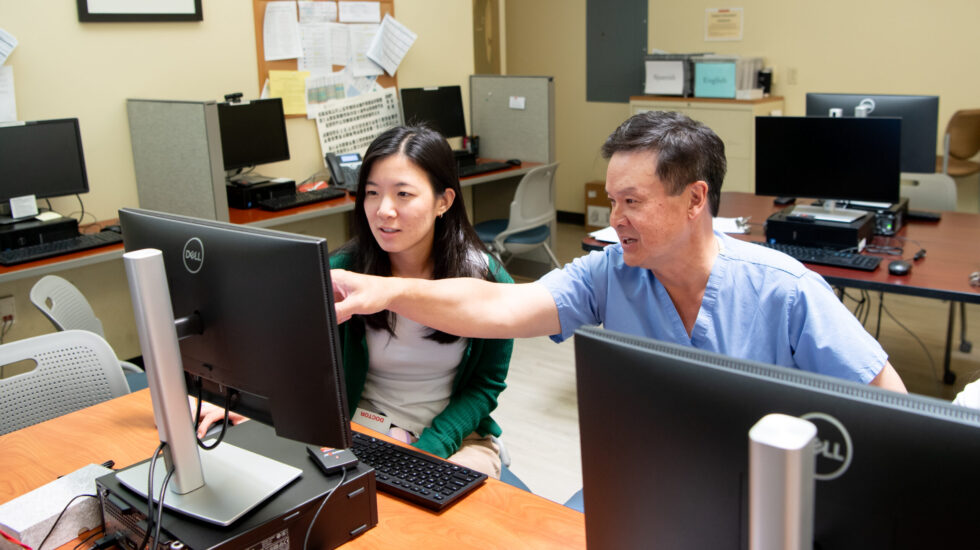

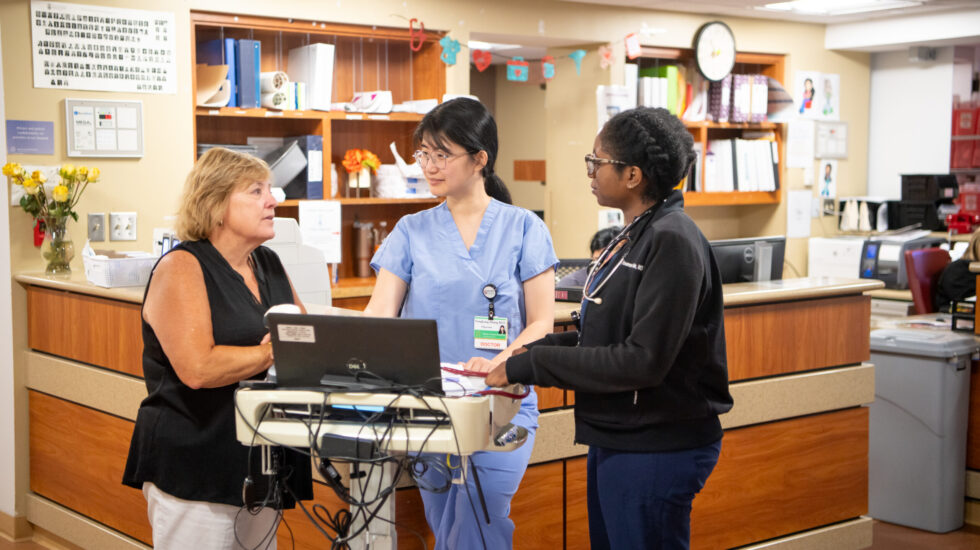
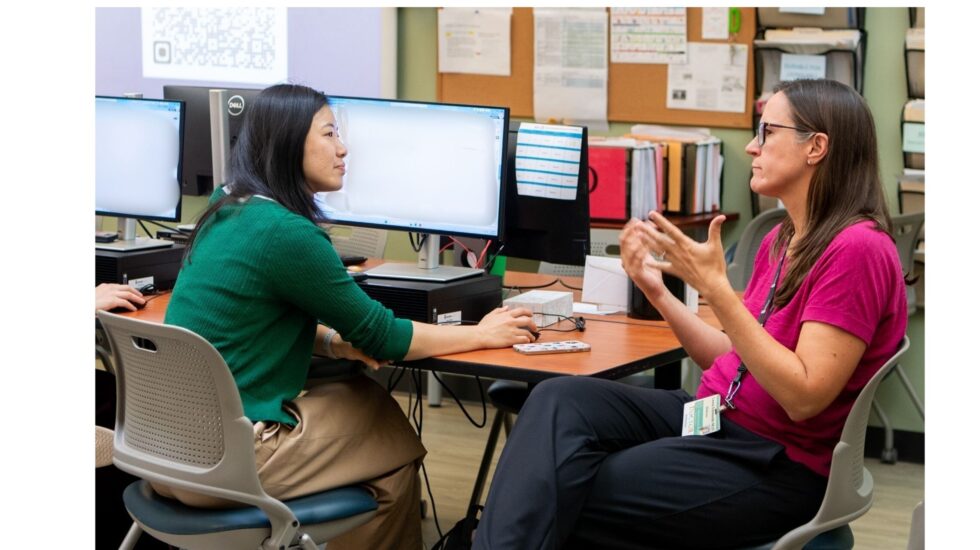

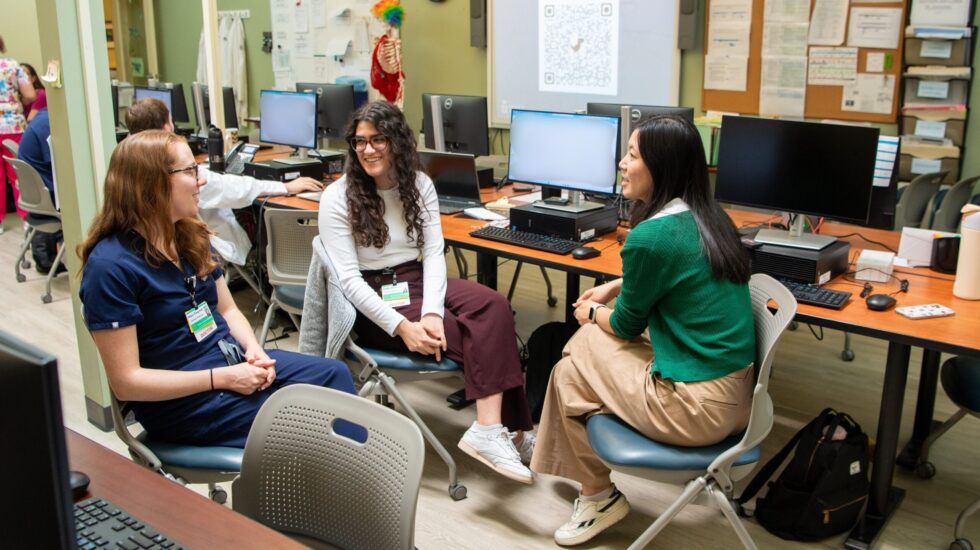
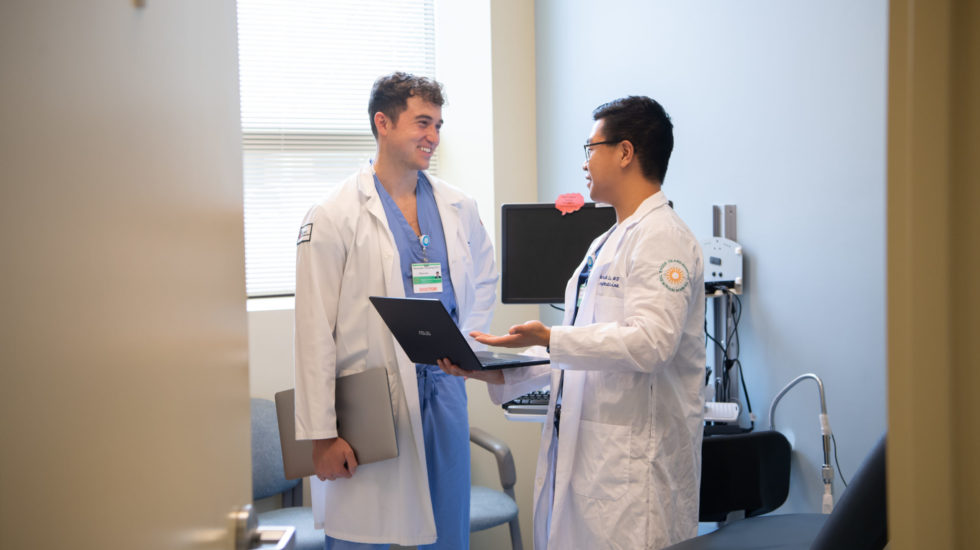
The majority of healthcare in the United States occurs in the ambulatory setting and most residency graduates will have careers involving an ambulatory component regardless of whether they choose a specialist or generalist career pathway. Our ambulatory curriculum is therefore designed to create a strong foundation in ambulatory medicine and to provide our residents with the skills necessary to be successful ambulatory clinicians and leaders regardless of their intended career choice. The goals of the ambulatory curriculum are to prepare residents to:
- Deliver high quality, evidence-based, comprehensive primary care to a panel of patients
- Appreciate how to navigate a complex medical system and work within a multidisciplinary team to coordinate the care of their patients
- Develop the knowledge and skills required to diagnose and manage the most common ambulatory clinical conditions and preventive care needs of their patients
- Gain experience in a community-based ambulatory setting that will supplement their continuity clinic experience and specifically prepare them for their intended career pathway
The majority of ambulatory experiences and education take place during “Y” weeks. “Y” weeks vary by class and generally include: 1) continuity clinics, 2) community-based teaching experience (second site clinic) for PGY2s and PGY3s, 3) Academic Half Day, and 4) a variety of additional clinical experiences unique to each class. “Y” weeks also include several POCUS sessions throughout the year for each class and a procedure training workshop early in the year for interns and PGY2s. “Y” weeks incorporate time for clinic administrative work and predictable discretionary time during which residents can plan professional development activities and address personal needs. Please explore a brief sampling of what Brown has to offer in each of these areas in more detail below.
Continuity Clinic Experience
The continuity clinic experience takes place exclusively during “Y” weeks. Residents spend 2 out of every 8 weeks in “Y” weeks where they have an immersive ambulatory experience including 4 half-day sessions per week of continuity clinic.
Before each clinic session, a faculty member will deliver a brief pre-clinic conference didactics session. Across the 2-week “Y” experience, residents will participate in 6 to 8 unique didactics sessions. Presentations are created by residents in partnership with faculty, and are curated by a team of faculty members in order to ensure they are high quality, participatory, and highly relevant to our residents, and cover topics relevant to ambulatory medicine. Topics include how to manage various ambulatory conditions, reviews of quality metrics and how to manage a panel of patients, and introductions to various aspects of systems-based care.
Brown offers two sites for continuity clinic. Both sites provide residents with the opportunity to manage a panel of patients under the mentorship of experienced internal medicine physicians. Additionally, each site has an electronic medical record system that allows residents access to data on their practice patterns, quality metrics, and patient outcomes. Each clinic site includes unique opportunities for our residents!
Center for Primary Care
 The Center for Primary Care (CPC) is located a short 1.5 miles from RIH and is the largest of our continuity clinic sites. The CPC is a Patient-Centered Medical Home and a safety net clinic for patients in the surrounding neighborhood. We care for a population of patients ages 19 and older, with approximately 80% of patients being either on public insurance or uninsured. The population is racially, ethnically, and linguistically diverse, with over 60 languages represented. The CPC uses a team-based approach to provide comprehensive care to patients utilizing medical assistants, social workers, clinical pharmacists, diabetes educators, nutritionists, RNs, LPNs, nurse care managers, community health workers, referral coordinators, and onsite Spanish interpreters. Additional resources include onsite psychiatry, onsite specialty care, an onsite laboratory, and a unique team trained to help patients with social determinants of health. Residents with their continuity clinic at the CPC can participate in Complex Care Rounds, where they can discuss their most complex patients with a multidisciplinary team of nurse care managers, pharmacists and social workers to address barriers to health and strategies to support patients. The CPC is also home to various other clinical teaching opportunities including Recovery Clinic, Transitions Clinic, Procedure Clinic, Refugee Clinic, and the Reproductive and Gender Health Clinic which residents can elect to participate in during their flexible time on Y, for second site clinic, or during other elective experiences.
Procedure Clinic
The Center for Primary Care offers a dedicated Procedure Clinic for patients requiring office-based procedures. Our Procedure Clinic also offers a valuable training opportunity for residents to rotate through and receive a structured educational experience. During their time in the clinic, residents are trained to perform these procedures under the supervision of an experienced physician. Educational materials are provided as part of the structured curriculum to enhance their learning experience. The focus of procedural education is to help residents become more comfortable addressing common musculoskeletal complaints and learn essential office-based procedures. Our most commonly requested procedures are orthopedic corticosteroid injections (E.g. knee joint, subacromial shoulder, trochanteric bursitis, trigger finger, deQuervain’s tenosynovitis), family planning procedures (E.g. Nexplanon insert/removals, IUD insert/removals) and occasional dermatologic procedures (E.g. I&Ds, skin tags, biopsies, toenail removals).Reproductive and Gender Health Clinic
The Center for Primary Care’s Reproductive and Gender Clinic provides consultation visits for CPC patients of all genders. Common reasons for consultation include: hormone-related issues (menopause, hypogonadism and gender-affirming care); contraception and family planning (full spectrum including IUDs, contraceptive implants, medication abortion); vaginitis; and trauma-informed pelvic examinations for patients who do not want to obtain their pap smear/cervical cancer screening with their regular PCP. The clinic is staffed by Dr Mindy Sobota and 1-2 resident doctors committed to women’s health.Refugee Clinic
Historically Rhode Island has been a resettlement hub for many refugee families. Our Refugee Clinic performs an initial refugee health assessment visit within a month of the new refugee’s arrival and is a great opportunity for residents interested in refugee health, global health, primary care and infectious disease. Many of these patients elect to continue receiving their primary care at the Center for Primary Care (CPC).Transitions Clinic
The Transitions Clinic program provides a variety of coordinated medical and social services for formerly-incarcerated patients. These are patients who tend to be some of the sickest and most indigent patients in Rhode Island and for whom continuity of care outside of the prison setting is necessary to sustain health and increase access to care. Care is delivered through an innovative multidisciplinary team including Community Health Workers with special attention to addressing the social determinants of health.Recovery Clinic
The Recovery Clinic at the Center for Primary Care provides coordinated office-based opioid treatment and social services for patients who are in recovery from opioid use disorder and other substance use disorders. Residents will work with a multidisciplinary team including an attending, addiction fellow, social worker, pharmacist, program coordinator and community health worker in Recovery Clinic.VA Clinic
The Providence VA Primary Care Clinic is a patient-centered medical home responsible for almost 20,000 Veterans. It is divided into several teams comprised of the Primary Care Provider, Clinic Nurse, Clinic LPN, medical assistants, Social Worker, Nutritionist, Clinical Pharmacist, and Mental Health Provider who work together to improve patient access to care with a focus on chronic disease prevention and management. Residents will have the opportunity to care for both men and women who have served this county, many of whom have disabilities related to their military service. Residents are responsible for complex patients under the supervision of an assigned preceptor for the entire three years. In addition to the routine face-to-face and telephone appointments, the VA has a sophisticated scheduling and video conferencing system for patients and their caregivers through a special portal. Residents will have the opportunity to care for their patient panel during clinic and between clinic visits through a remote portal that can be conveniently accessed from their home computer.
Community-Based Teaching Experience (Second Site Clinic)
During the PGY2 and PGY3 years, residents choose a second site clinic, designed to complement their continuity clinics and broaden residents’ ambulatory exposure. Second site clinic takes place once a week during “Y” weeks and during electives. Faculty volunteers are carefully selected for this effort based upon their interests and teaching abilities. Residents and community-based faculty are carefully paired in a one-on-one, longitudinal relationship based on each resident’s identified area of interest. Training sites include private offices around Providence and nearby communities, Providence Ambulatory Health Center Network (a nationally recognized consortium of neighborhood health centers), the VA Firm clinics, Brown Student Health Services, as well as selected subspecialty office practices. Second Site has been one of the most popular clinical experiences for our residents and has been a wonderful opportunity for residents to work with a faculty member in a longitudinal relationship that can also result in research partnerships, career mentorship, or a letter of recommendation.
The Academic Half Day
For a half day each week when on Y, residents have protected time to attend our Academic Half Day. The Academic Half Day is the home of our structured residency curriculum which includes teaching on a broad range of clinical topics important to the practice of inpatient and outpatient internal medicine. It also includes dedicated teaching sessions for our interns on introductory topics related to clinical medicine and systems-based practice. PGY2 and PGY3 residents have resident-only sessions covering more advanced topics including critical appraisal, evidence-based medicine, business of medicine, ethics, advocacy, leadership skills, clinical teaching, and EKG interpretation to name a few.
Additional Experiences in Y
In addition to continuity clinic, second site, and the Academic Half Day, residents participate in a variety of other ambulatory experiences during their “Y” rotations. These experiences vary by class as outlined below.
Intern Y: Each intern Y block has a theme that guides that Y block’s activities. Y block themes include clinic orientation, endocrinology, geriatrics, and community engagement. During geriatrics and endocrine Y blocks, interns will gain experience in outpatient endocrinology, palliative care, and geriatrics practices, and will explore care delivery in nursing home and hospice settings. During community engagement Y block, interns will gain experience in street medicine, prison health, and care delivery at a safety net clinic for uninsured patients. Throughout the year, interns will participate in a procedure training workshop and two POCUS sessions.
PGY2 Y: PGY2 residents will be scheduled for class-specific didactics on Friday afternoons. These will include teaching on quality improvement and completion of a quality improvement project, mortality review activities, and physical examination teaching sessions. PGY2 residents will participate in a procedure training workshop and two POCUS sessions throughout the year. They will also rotate through a variety of subspecialty clinics including rheumatology clinic and ambulatory experiences that residents can select from a list of offerings.
PGY3 Y: The PGY3 Y block includes increased flexibility and opportunities for customization. Residents have two half days per week where they can elect from a list of ambulatory experiences in which to participate. PGY3 residents have one fewer continuity clinic session per week during fellowship interview season to provide additional flexibility for interviews. They also have extra administrative time during their final Y block to facilitate completion of end-of-year administrative responsibilities. Each PGY3 resident will also participate in 2 POCUS sessions across the year.